Sciatica and Back Pain Relief Camrose

Regain comfort and confidence in your daily movement

How Sciatica and Back Pain Relief Camrose Begins with a Detailed Functional Assessment

Move better, feel stronger, live without constant pain

At Central Physiotherapy & Massage, we provide assessment-driven care for lower back pain, mid-back discomfort, and sciatica-related symptoms that can affect walking, sitting, lifting, sleeping, and daily function. Our approach to Sciatica and Back Pain Relief Camrose focuses on identifying the true underlying drivers of symptoms and building a structured plan from pain reduction to long-term spinal resilience.

Back pain and sciatica are usually caused by more than one structure. They often develop through a combination of joint stiffness, disc irritation, nerve sensitivity, muscle imbalance, and movement pattern overload. Each treatment plan begins with a detailed movement and functional assessment to understand how your spine, hips, and nervous system are working together.

Get Consultation Now

Understanding Back Pain and Sciatica

The spine is a complex system made up of vertebrae, discs, joints, muscles, and nerves that must work together to support movement and load.

Sciatica and Back Pain Relief Camrose can occur in any area along the spine and may involve muscle strain, joint irritation, disc-related changes, or movement overload. Sciatica refers specifically to irritation or sensitivity of the sciatic nerve, which can cause symptoms that radiate into the buttock, leg, or foot.

These conditions may overlap, but require individualized assessment to determine the primary driver of symptoms and guide appropriate care.

Sciatica and Back Pain Relief Camrose focuses on identifying whether symptoms are primarily driven by joints, discs, nerves, muscles, or movement patterns so treatment can be directed toward the most significant contributors.

What You May Feel – Common Symptoms

  • Localized pain in the lower or mid back
  • Muscle tightness or stiffness
  • Pain with sitting, standing, or bending
  • Reduced mobility or difficulty moving freely
  • Muscle fatigue or protective guarding
  • Radiating pain from the lower back into the buttocks or leg
  • Tingling, numbness, or altered sensation in the leg or foot
  • Sharp, burning, or electric-type pain along the nerve pathway
  • Symptoms that worsen with sitting or certain movements
  • Weakness or heaviness in the leg in more advanced cases
Individual with lower back pain benefiting from Sciatica and Back Pain Relief Camrose physiotherapy

How Back Pain and Sciatica Develop – Common Causes

Back and nerve-related symptoms often develop gradually due to repeated load stress or movement imbalance. Our Sciatica and Back Pain Relief Camrose services focus on reducing pain, improving mobility, and restoring function through personalized physiotherapy care.

Common contributing factors include:

  • Disc irritation or sensitivity
  • Joint stiffness in the lumbar spine or pelvis
  • Muscle strain or overuse
  • Prolonged sitting or sedentary work positions
  • Repetitive bending, lifting, or twisting
  • Reduced core and hip stability
  • Postural strain and movement compensation patterns
  • Previous injury or unresolved mechanical dysfunction

Understanding these contributors allows treatment to move beyond symptom relief and address the root movement problem.

Common Conditions We Frequently See

  • Disc-related back pain and bulging disc irritation patterns
  • Sciatic nerve irritation linked to lumbar or pelvic dysfunction
  • Repetitive strain from workplace sitting or physical labour
  • Postural overload from prolonged desk-based positions
  • Acute low back injuries from lifting or twisting
  • Chronic recurring back pain with movement compensation
  • Hip-related dysfunction contributing to spinal stress

Why Early Treatment Matters

Early treatment helps prevent temporary irritation from becoming persistent or nerve-sensitive pain.

Without appropriate care, back and sciatic symptoms may progress into:

  • Persistent nerve irritation or radiating pain
  • Reduced mobility and spinal stiffness
  • Increased muscle guarding and protective movement patterns
  • Recurring flare-ups with daily activities
  • Longer recovery timelines and reduced function

Early intervention helps restore normal movement, reduce nerve sensitivity, and improve load tolerance before compensations become established.

Person experiencing lower back discomfort seeking Sciatica and Back Pain Relief Camrose

What Recovery Can Look Like

As care progresses through Sciatica and Sciatica and Back Pain Relief Camrose, the focus shifts from symptom reduction to restoring confident, efficient movement and long-term spinal resilience.

You may notice:

  • Reduced back and leg pain during daily movement
  • Improved ability to sit, stand, and walk for longer periods
  • Decreased sciatic symptoms such as tingling or burning
  • Improved spinal mobility and smoother movement patterns
  • Greater core and hip stability under load
  • Increased confidence returning to work, lifting, and activity

Recovery is not only about reducing pain, but improving how your spine tolerates everyday demands so symptoms are less likely to return.

What to Expect at Your Appointment

Your first visit focuses on identifying how your spine, hips, and nervous system are contributing to your symptoms.

Assessment may include:

  • Spinal range of motion testing
  • Neurological screening and nerve tension testing
  • Posture and movement analysis
  • Core, hip, and strength assessment
  • Joint and soft tissue evaluation
  • Review of symptom history and aggravating movements

From this assessment, a personalized care plan is developed. Sciatica and Back Pain Relief Camrose Treatment may include manual therapy, exercise-based rehabilitation, and education to support improved spinal function and symptom reduction.

Most patients leave their first visit with a clearer understanding of what is driving their Sciatica and Back Pain Physiotherapy Camrose and a structured plan for recovery.

Treatment Options at Central Physiotherapy & Massage

Care may include a combination of the following services depending on your needs.
Treatment plans for Sciatica and Back Pain Physiotherapy Camrose are individualized based on assessment findings, symptom presentation, and functional goals.

Physiotherapy

Assessment-driven rehabilitation focused on reducing pain, improving spinal mobility, and restoring strength and control. Sciatica and Back Pain Relief Camrose Treatment progresses through symptom reduction, movement restoration, and functional strengthening to support long-term spinal health.

Chiropractic Care

Spinal and joint-focused care aimed at improving mobility, reducing stiffness, and supporting efficient movement of the lumbar and pelvic regions.

Manual Osteopathy

Whole-body manual care assessing how the spine, pelvis, and surrounding systems interact. Treatment focuses on restoring mobility, alignment, and movement efficiency.

Massage Therapy

Soft tissue treatment targeting muscular tension in the lower back, hips, and surrounding areas to reduce stiffness and improve circulation.

Acupuncture

Nervous system–focused treatment used to reduce pain sensitivity, calm irritated nerve pathways, and decrease muscular guarding.

Shockwave & Laser Therapy

Technology-assisted treatment used for chronic or persistent soft tissue and tendon-related dysfunction contributing to spinal pain patterns.

Therapeutic Exercise

Progressive strengthening program targeting core stability, glute activation, Sciatica and Back Pain Relief Camrose and spinal control to improve load tolerance and movement confidence.

Manual Therapy

Hands-on techniques to improve joint mobility, reduce stiffness, and restore smoother spinal movement.

Kinesiology / Movement Training

Movement retraining focused on improving lifting mechanics, posture, coordination, and daily movement patterns.

Ergonomic Training

Practical guidance on sitting, standing, and workplace setup to reduce spinal strain and prevent recurrence.

Care Team

Your care may involve collaboration between multiple practitioners depending on your symptoms and goals.

Physiotherapy Team

Zoey Hashemi, PT

Registered Physiotherapist

Provides structured rehabilitation focused on restoring movement, strength, and function through manual therapy and exercise.

Sweta Dhodi, PT

Resident Physiotherapist

Focuses on individualized recovery programs and education for functional improvement.

Hiya Tamakuwala, PT

Resident Physiotherapist

Uses hands-on treatment and exercise-based care to support mobility and pain reduction.

Aadarsh Shah, PT

Resident Physiotherapist

Helps patients restore movement confidence and spinal control through progressive rehabilitation.

Chiropractic Care

Dr. Robert Weeks

Doctor of Chiropractic

Provides spinal and joint-focused care to improve mobility and function.
Manual Osteopathy

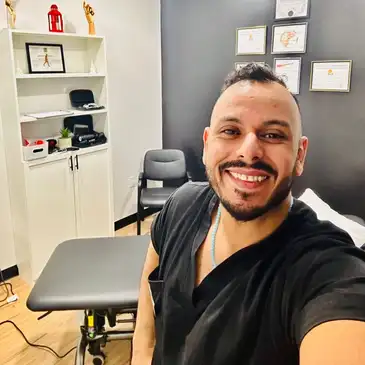
Mohammed “Moe” Benmoussa

Manual Osteopath

Uses manual techniques to improve mobility, reduce tension, and restore musculoskeletal balance.

Acupuncture

Dr. Marie-Michèle Benoit

Doctor of Acupuncture

Provides acupuncture care to support pain modulation and reduce muscular tension.

Occupational Therapy

Lianne Sangster

Occupational Therapist

Supports daily function, activity modification, and independence strategies.

Massage Therapy Team

Reide Norman

Registered Massage Therapist

Provides trigger point, deep tissue, and cupping therapy for muscular tension.

Kayla Erickson

Registered Massage Therapist

Focuses on therapeutic massage for recovery and relaxation.

Maribel “Bel” Untalan

Registered Massage Therapist

Provides individualized massage care for pain and tension reduction.

Sierra Asham

Registered Massage Therapist

Combines deep tissue and relaxation techniques to support mobility.

Psychology

Erika Wilcox

Registered Provisional Psychologist

Supports emotional well-being and coping strategies related to chronic pain and recovery.

Build Your Path Back to Comfortable Movement

If Sciatica and Back Pain Relief Camrose is limiting your movement or daily function, early assessment can help identify the cause and guide a structured recovery plan.

Call Central Physiotherapy & Massage in Camrose or book online to begin your care.

Our team is here to guide your recovery from pain reduction through to restored strength, control, and long-term spinal resilience.

Sciatica and Back Pain Physiotherapy Camrose supports not only symptom relief, but long-term improvement in movement capacity, load tolerance, and confidence in daily life.

Sciatica and Back Pain Relief Camrose physiotherapist providing spinal assessment and manual therapy

Frequently Asked Questions About Back Pain and Sciatica Treatment in Camrose

Understanding Back Pain and Sciatica

What is Sciatica and Back Pain Physiotherapy in Camrose?
It is a structured physiotherapy approach that assesses and treats the underlying causes of back pain and sciatic nerve irritation to restore movement, reduce pain, and improve long-term spinal function.
Can physiotherapy help both back pain and sciatica at the same time?
Yes. Because these conditions often overlap, treatment focuses on identifying whether symptoms are driven by joints, discs, nerves, or muscle imbalance.
What causes sciatic nerve irritation?
Common causes include disc irritation, spinal stiffness, muscle tightness, and movement patterns that place pressure on the nerve pathway.
What is the fastest way to recover from lower back pain?
Early assessment, guided exercise, and manual therapy help reduce irritation and restore movement more efficiently than rest alone.
What happens if back pain is left untreated?
It may become more persistent, involve nerve sensitivity, reduce mobility, and increase recurrence over time.
Do you treat chronic or long-term back pain?
Yes, chronic cases are treated by addressing movement patterns, strength deficits, and nerve sensitivity.
What type of back pain or sciatica responds best to physiotherapy?
Most mechanical back pain and sciatic symptoms respond well to physiotherapy when treatment addresses the underlying movement, strength, and mobility contributors.
What is Injury-Related Sciatica?
Injury-Related Sciatica occurs when an injury affects structures around the sciatic nerve, leading to pain, tingling, numbness, or altered sensation along the nerve pathway.

Treatment, Recovery, and Results

What treatments are used for back pain and sciatica?
Physiotherapy, manual therapy, exercise therapy, acupuncture, massage therapy, and movement retraining are commonly used.
How many sessions will I need?
It depends on severity, duration, and contributing factors, which are determined during assessment.
Can I continue working while receiving treatment?
In most cases yes, with modifications depending on symptom severity.
Will I get exercises for sciatica and back pain?
Yes, exercises are a key part of restoring stability and reducing recurrence risk.
Is imaging required before treatment?
Not always. Imaging is only recommended when clinically necessary.
Does physiotherapy for lower back pain and sciatica work?
Yes. Physiotherapy for lower back pain and sciatica helps restore movement, reduce pain, improve strength, and reduce recurrence risk by addressing contributing mechanical factors.
Can physiotherapy for back pain and sciatica reduce nerve-related symptoms?
Yes. Treatment is often designed to reduce nerve irritation, improve mobility, and restore normal movement patterns that may be contributing to symptoms.
Is physiotherapy for sciatica relief effective without surgery?
Many cases improve successfully through physiotherapy for sciatica relief, particularly when symptoms are addressed early and supported with exercise-based rehabilitation.

Exercises, Daily Life, and Prevention

Can sitting too long cause back pain?
Yes, prolonged sitting can contribute to spinal stiffness and nerve irritation.
Why does my back pain come and go?
This often relates to movement patterns, load tolerance, and underlying joint or nerve sensitivity.
Can sciatica go away on its own?
Mild cases may improve, but persistent symptoms often benefit from structured physiotherapy.
What exercises help sciatica and back pain?
Core stability, glute strengthening, mobility work, and nerve-friendly movement exercises are commonly used.
Is walking good for back pain and sciatica?
Yes, in most cases walking helps improve circulation and reduce stiffness.
Can poor posture cause sciatica?
Posture can contribute by increasing mechanical stress on the spine and nerves over time.
Will I receive sciatica and back pain exercises as part of treatment?
Yes. Sciatica and back pain exercises are commonly prescribed to improve mobility, stability, and confidence with movement.
What exercises for sciatica and back pain are commonly recommended?
Exercises for sciatica and back pain often focus on mobility, core stability, glute strength, and improving movement control.
What exercises for sciatica and leg pain help during recovery?
Exercises for sciatica and leg pain may include nerve mobility exercises, walking programs, gentle stretching, and progressive strengthening depending on symptoms.
Can weak lower back muscles contribute to recurring pain?
Yes. Weak lower back muscles can reduce spinal support and contribute to ongoing stress during daily movement and lifting activities.
Can treatment help reduce nerve irritation and improve daily function?
Yes. Treatment aims to reduce nerve irritation, improve load tolerance, and help patients return to normal daily activities more comfortably.
Why do back pain and sciatic symptoms often occur together?
Back pain and sciatic symptoms frequently overlap because spinal joints, discs, muscles, and nerves are closely connected and can influence one another.
```html ```