Concussion Treatment Camrose for Safe Recovery
At Central Physiotherapy & Massage, we provide assessment-driven care for individuals recovering from concussion symptoms following sports injuries, motor vehicle accidents, workplace incidents, falls, and other traumatic events. Our approach to concussion treatment Camrose focuses on identifying the systems affected by the injury and guiding a structured recovery process that supports symptom reduction, improved function, and a safe return to daily life.
Concussions can affect much more than the brain alone. Symptoms may involve balance, vision, neck function, concentration, memory, sleep, exercise tolerance, and emotional well-being. Because every concussion is different, Concussion Treatment Camrose begins with a comprehensive assessment and individualized recovery plan. Balance and Gait Physiotherapy may also be incorporated when concussion-related symptoms affect walking, coordination, balance, or overall mobility.
Get Consultation Now
Understanding Concussions
A concussion occurs after a forceful impact or rapid movement, which causes the brain to move within the skull and resulting in a traumatic brain injury. This movement can temporarily affect how the brain functions, resulting in a wide range of physical, cognitive, emotional, and balance-related symptoms.
Concussion Treatment Camrose may be recommended for individuals who have experienced concussions following:
- Sports injuries
- Motor vehicle accidents
- Falls
- Workplace incidents
- Recreation-related accidents
- Direct impacts to the head
- Sudden acceleration or deceleration injuries such as whiplash
Symptoms may appear directly following the injury or they may develop over the following hours or days.

Understanding Concussions and Their Symptoms
Physical Symptoms
- Headaches or migraines
- Dizziness
- Balance problems
- Nausea or vomiting
- Fatigue
- Visual disturbances
- Blurred vision
- Ringing in the ears
- Sensitivity to light
Cognitive Symptoms
- Difficulty concentrating
- Memory challenges
- Mental fogginess
- Slower processing speed
- Difficulty focusing
- Confusion
- Reduced attention span
Emotional Symptoms
- Irritability
- Anxiety
- Mood changes
- Increased emotional sensitivity
- Frustration
- Reduced stress tolerance
Functional Symptoms
- Difficulty working
- Difficulty attending school
- Reduced exercise tolerance
- Sleep disturbances
- Difficulty driving
- Challenges completing daily activities
Why Early Concussion Treatment Camrose Matters
Early assessment can help identify which systems have been affected by the concussion and provide guidance for recovery.
Without appropriate management, symptoms may progress into:
- Persistent headaches
- Ongoing dizziness
- Balance difficulties
- Exercise intolerance
- Visual disturbances
- Sleep disruption
- Cognitive difficulties
- Reduced work or school performance
- Prolonged recovery timelines
Early intervention allows rehabilitation to begin at an appropriate pace while helping patients avoid unnecessary setbacks during recovery.

Common Conditions We Frequently See
- Acute concussion symptoms
- Sports-related concussion
- Motor vehicle accident-related concussion
- Vestibular dysfunction following concussion
- Cervicogenic symptoms after concussion
- Balance impairments
- Visual motion sensitivity
- Exercise intolerance
- Persistent concussion symptoms
- Post-concussion syndrome
- Post-traumatic headaches
- Concussion-related neck dysfunction
Persistent Post-Concussion Symptoms
Most people recover from a concussion within days to weeks. However, some individuals continue to experience symptoms for an extended period. When symptoms persist beyond the expected recovery timeline, additional assessment may be required. If persistent symptoms include dizziness, spinning sensations, or balance difficulties, Vertigo Treatment may be incorporated into the rehabilitation plan when appropriate.
Concussion Therapy Camrose may help individuals experiencing persistent symptoms, which may include:
- Ongoing headaches
- Dizziness
- Balance problems
- Cognitive difficulties
- Sleep disturbances
- Visual symptoms
- Fatigue
- Difficulty returning to normal activities
Our team provides post-concussion syndrome treatment and rehabilitation strategies designed to address the factors contributing to prolonged recovery.
What Recovery Can Look Like
As care progresses through Concussion Treatment Camrose, the focus shifts from symptom management toward restoring physical, cognitive, and functional capacity.
You may notice:
- Reduced headache frequency and intensity
- Improved balance and coordination
- Better concentration and focus
- Increased tolerance for physical activity
- Improved sleep quality
- Reduced dizziness
- Greater confidence returning to work, school, or sport
- Improved daily function
Recovery is highly individualized and progresses according to symptom response, tolerance, and clinical findings.

Concussion Recovery and Rehabilitation Process
Every concussion is different, but recovery commonly progresses through several stages.
Early Recovery (0–48 Hours)
Relative physical and cognitive rest
Symptom monitoring
Medical assessment when appropriate
Progressive Activity Phase
Gradual return to daily activities
Light physical activity as tolerated
Guided symptom monitoring
Rehabilitation Phase
Concussion physiotherapy
Vestibular rehabilitation
Balance training
Exercise progression
Functional recovery strategies
Return-to-Activity Phase
Gradual return to school
Gradual return to work
Return-to-sport progression when appropriate
Long-term symptom management if required
Return to School, Work, and Activity
Returning to normal activities too quickly can sometimes prolong recovery.
A structured return-to-activity plan may include:
- Academic accommodations
- Workplace modifications
- Gradual increases in cognitive demand
- Progressive exercise programs
- Activity pacing strategies
- Symptom-guided progression
Our team works with patients, families, schools, employers, physicians, and other healthcare providers when appropriate to support a safe and successful return to activity.
What to Expect at Your Appointment
Your first visit focuses on understanding how the concussion has affected your physical function, balance, cognition, and daily activities.
Concussion Treatment in Camrose assessment may include:
- Detailed symptom review
- Balance assessment
- Vestibular screening
- Visual tracking assessment
- Cervical spine evaluation
- Functional movement assessment
- Exercise tolerance testing when appropriate
- Review of injury history and recovery progress
From this assessment, a personalized concussion management plan is developed based on your symptoms, goals, and recovery stage.
Most patients leave their first visit with a clearer understanding of their symptoms and a structured recovery plan.
Our Concussion Treatment Process at Central Physiotherapy & Massage
Care may include a combination of the following services depending on your needs.
Physiotherapy
Assessment-driven rehabilitation focused on symptom reduction, functional recovery, and return to activity following concussion.
Vestibular Rehabilitation
Targeted treatment for dizziness, balance deficits, visual motion sensitivity, and vestibular dysfunction.
Occupational Therapy
Support for cognitive demands, daily activities, workplace accommodations, and return-to-work planning.
Kinesiology / Training
Progressive activity programming focused on rebuilding physical capacity and exercise tolerance.
Therapeutic Exercise
Individualized exercise prescription to support recovery and gradual return to activity.
Manual Therapy
Hands-on treatment addressing neck dysfunction and mobility limitations that may contribute to symptoms.
Acupuncture
Used to support pain management, headaches, muscle tension, and symptom regulation.
Massage Therapy
Soft tissue treatment targeting neck, shoulder, and upper back tension associated with concussion symptoms.
Psychology
Support for anxiety, stress management, coping strategies, and emotional challenges during recovery.
Ergonomic Training
Hands-on treatment addressing neck dysfunction and mobility limitations that may contribute to symptoms.Guidance for workstations, screen use, activity pacing, and symptom management strategies.
Care Team
Your care may involve collaboration between multiple practitioners depending on your symptoms and recovery goals.

Zoey Hashemi, PT
Physiotherapy Team
Structured rehabilitation focused on restoring function, exercise tolerance, and confidence following concussion.

Sweta Dhodi, PT
Physiotherapy Team
Individualized recovery planning and patient education.

Hiya Tamakuwala, PT
Physiotherapy Team
Hands-on treatment and rehabilitation for concussion-related symptoms.

Aadarsh Shah, PT
Physiotherapy Team
Progressive rehabilitation and return-to-activity programming.

Lianne Sangster,
Occupational Therapy
OT – Support for return-to-work planning, daily function, and cognitive accommodations.

Erika Wilcox, RPsych
Occupational Therapy
Emotional support, coping strategies, and mental wellness throughout recovery.
Massage Therapy Team
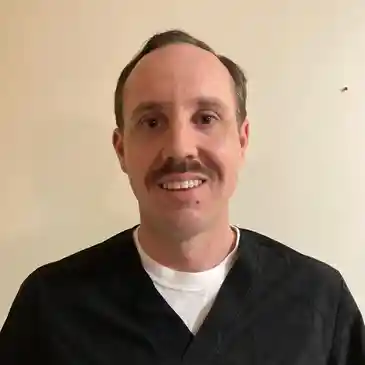
Reide Norman, RMT
Massage Therapy Team
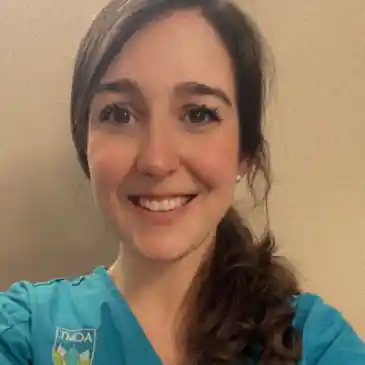
Kayla Erickson, RMT
Massage Therapy Team
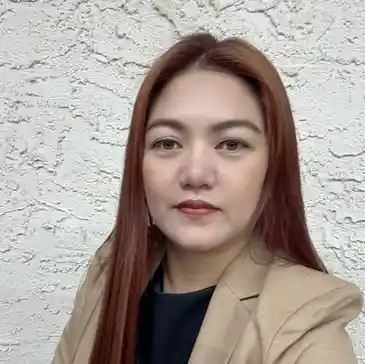
Maribel Untalan, RMT
Massage Therapy Team
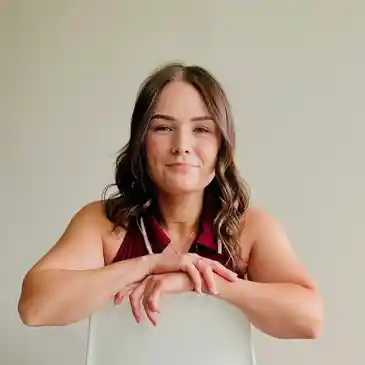
Sierra Asham, RMT
Massage Therapy Team

Insurance and MVA Support
Many concussions occur following motor vehicle accidents and may qualify for insurance-supported treatment.
Our team assists with care coordination, documentation, and communication when required to help support your recovery process.
Rebuild Confidence After Concussion
If you are experiencing headaches, dizziness, balance issues, concentration difficulties, or other symptoms following a concussion, Concussion Treatment Camrose through early assessment can help identify the factors contributing to your symptoms and guide an appropriate recovery plan.
Call Central Physiotherapy & Massage Clinic in Camrose or book online to begin your care.
Our team is here to support your recovery through concussion treatment in Camrose, helping you progress safely toward improved function, symptom reduction, and a successful return to the activities that matter most.